
As the season progresses, unpredictable weather becomes part of the challenge for both track and cross-country runners. One meet brings sunshine and comfortable temperatures; the next brings biting winds, chilly mornings, and the occasional rainstorm that leaves everyone wishing they’d packed another sweatshirt. Whether athletes are warming up beside the track or walking a muddy cross-country course, having the right layers can make all the difference.
For coaches, keeping athletes comfortable in changing conditions is about more than telling everyone to dress warmly. A runner who starts a warm-up bundled in too many layers may be sweaty before reaching the starting line. Another who strips down too early may spend 15 minutes shivering while waiting for the race to begin.
The trick isn’t simply adding more clothing. It’s knowing what to wear, when to wear it, and when to make a change.
Here are six ways to help your team manage the cold without over-complicating meet day.
1. Dress for the Conditions, Not Just the Temperature
A 40-degree morning with sunshine and little wind feels very different from 40 degrees with rain and a stiff breeze. And a dry runner standing under a tent has different needs than one walking around in damp racing clothes.
Experienced coaches know to look beyond the temperature when planning meet-day gear.
Consider three things:
- Wind: Moving air strips away the warm layer of air surrounding the body. A lightweight wind-resistant shell can sometimes be more useful than another thick sweatshirt.
- Moisture: Wet clothing loses much of its insulating effectiveness. Rain, sweat, and even wet grass can make athletes uncomfortable faster than expected.
- Activity level: A runner generating heat during a warm-up needs less insulation than a teammate standing around waiting for the next race.
That last point is especially important. There isn’t one perfect layering combination for an entire team. Some athletes run warm. Others seem cold no matter what they’re wearing.
Give runners a basic system, then teach them to recognize what works for their own bodies.
2. Build a Layering System That Adjusts Throughout the Day
Rather than thinking about a single warm outfit, think in terms of three layers that can be added or removed.
The Base Layer: Manage Moisture
Start with lightweight, moisture-wicking material against the skin. Polyester and other technical fabrics help move perspiration away from the body. Cotton tends to hold moisture, making it a poor choice for a base layer in wet or chilly conditions.
The Middle Layer: Hold Warmth
A lightweight quarter-zip, training top, or fleece adds insulation without excessive bulk. This is often the layer athletes will wear during course walks, between activities, or while waiting for their race.
The Outer Layer: Block the Elements
When wind and rain enter the picture, a wind-resistant or waterproof shell becomes especially useful. Look for something that protects against the weather while allowing excess heat and moisture to escape.
Quarter-zips and full-zip jackets are particularly practical because athletes can adjust ventilation or remove them without a wrestling match moments before the starting gun.
The goal isn’t to keep all three layers on all day. It’s to have the right combination available as conditions and activity levels change.
3. Plan the Transition From Warm-Up to Starting Line
Here’s a detail that can get overlooked: the time between finishing a warm-up and actually starting the race.
An athlete might finish strides feeling perfectly comfortable, only to stand exposed to the wind while officials organize runners, make announcements, or resolve a timing delay.
Instead of stripping off warm-ups at a predetermined time, establish a routine that allows athletes to keep protective layers on until reasonably close to the start, consistent with meet rules.
Designate a coach, manager, or teammate to collect jackets and warm-up pants and keep them organized. A collapsible wagon for this purpose is life (and back!) saver. Make sure athletes know exactly where their gear will be afterward.
For championship meets, where nerves are high and schedules can shift, this small logistical detail can make a real difference.
And don’t overlook the basics. Lightweight gloves, hats, and ear coverings can help keep exposed areas comfortable. Dry socks are worth their weight in gold after a muddy course walk.
The objective is simple: get athletes to the line warm, comfortable, and ready to compete—not distracted by how cold they are.
4. Don’t Forget the Runners Who Aren’t Racing
One of the challenges of a cross-country meet is that athletes spend far more time waiting than racing.
A varsity runner might finish early and spend the next two hours cheering for teammates. A freshman might arrive at 8:00 a.m. but not race until nearly noon.
Those athletes need a different layering strategy than someone actively warming up.
Encourage runners to put their warm-ups back on after competing and bring additional clothing for extended periods of inactivity. Keep extra dry layers accessible at the team tent, especially on wet days.
And remember that weather can change throughout the morning. What worked during the first race might not be enough three hours later.
A simple habit helps: before each race, have a captain or designated upperclassman check that teammates waiting along the course are dressed appropriately.
It’s one more responsibility that doesn’t have to fall entirely on the coach.
5. Make the Post-Race Clothing Change Non-Negotiable
Immediately after finishing a race, an athlete may feel hot, even on a cold morning. But as activity decreases, heat production drops, and sweat-soaked clothing can quickly become uncomfortable.
Once athletes have completed their appropriate cool-down and any necessary medical attention, encourage them to change out of damp racing clothes promptly.
Build a simple post-race routine:
- Put on a warm layer soon after finishing, especially while waiting or walking.
- Complete the planned cool-down, adjusting layers to avoid overheating.
- Change into a dry shirt, socks, and warm pants afterward.
- Keep a separate bag for wet clothing so the rest of the gear stays dry.
A spare towel and dry socks can make an enormous difference on a rainy day.
And when an athlete seems unusually cold, is shivering uncontrollably, or appears confused or uncoordinated, don’t dismiss it as ordinary post-race discomfort. Follow your school’s cold-weather safety protocols and involve medical personnel.
6. Sometimes the Best Team Gear Is the Extra Pair Someone Brought
Every coach has seen it. The freshman who underestimated the weather and arrives with nothing but a thin sweatshirt. The runner who forgot their gloves. The teammate who is freezing but doesn’t want to complain.
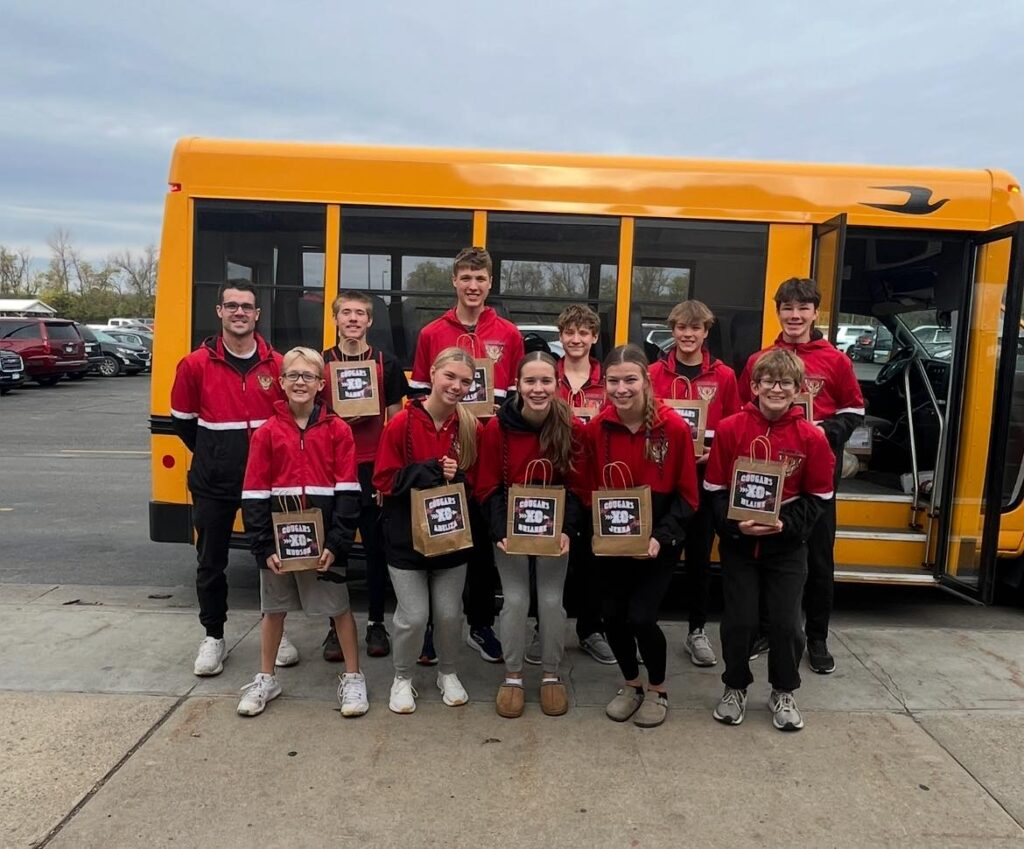
And then there’s the senior who quietly pulls an extra pair of gloves from their bag. The captain who notices someone standing alone in the cold and invites them under the tent. The teammate who lends a dry sweatshirt without being asked.
Nobody records those moments in the meet results. But they’re worth paying attention to.
As coaches, we spend a lot of time teaching athletes how to push themselves. How to compete. How to dig deep when they’re tired. There’s just as much value in teaching them to notice when someone else needs a little help.
Maybe that means keeping a small collection of extra gloves, hats, and jackets in a “team gear” bag. Maybe it means making sure younger athletes know what to pack. Or maybe it means encouraging upperclassmen to look out for the teammates who haven’t quite figured everything out yet.
Because a strong team isn’t just a collection of athletes wearing the same uniform. It’s a group of people who learn to take care of one another.
The Finish Line Isn’t the End of the Day
Late-season cross-country has a way of throwing everything at a team: cold mornings, sideways rain, muddy shoes, delayed starts, and unpredictable weather.
A good layering strategy helps athletes manage those conditions so they can focus on racing. But the habits built around that strategy—planning ahead, taking responsibility, noticing what others need—are valuable long after the season ends.
And years from now, a runner might not remember exactly what the temperature was at the regional meet.
But they just might remember the teammate who handed them a pair of dry gloves when they needed them most.