All-School Deals, Real Talk: What Coaches Should Know (and What You’re Allowed to Ask For)
If you’ve coached for more than a few seasons, chances are you’ve heard some version of this sentence:
“We’re locked into an all-school apparel deal.”
Sometimes it’s said with confidence. Sometimes with resignation. Often with a shrug that implies: This is just how it is.
But here’s the truth we want to say out loud—respectfully, clearly, and without drama:
Being in an all-school deal does not automatically mean you’re stuck.
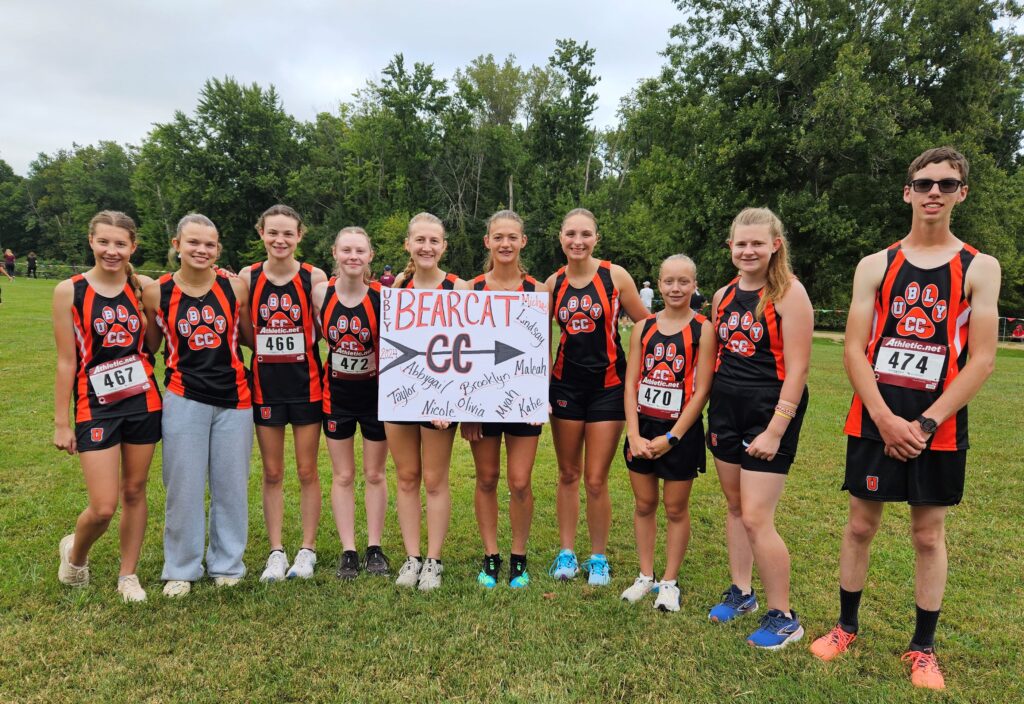
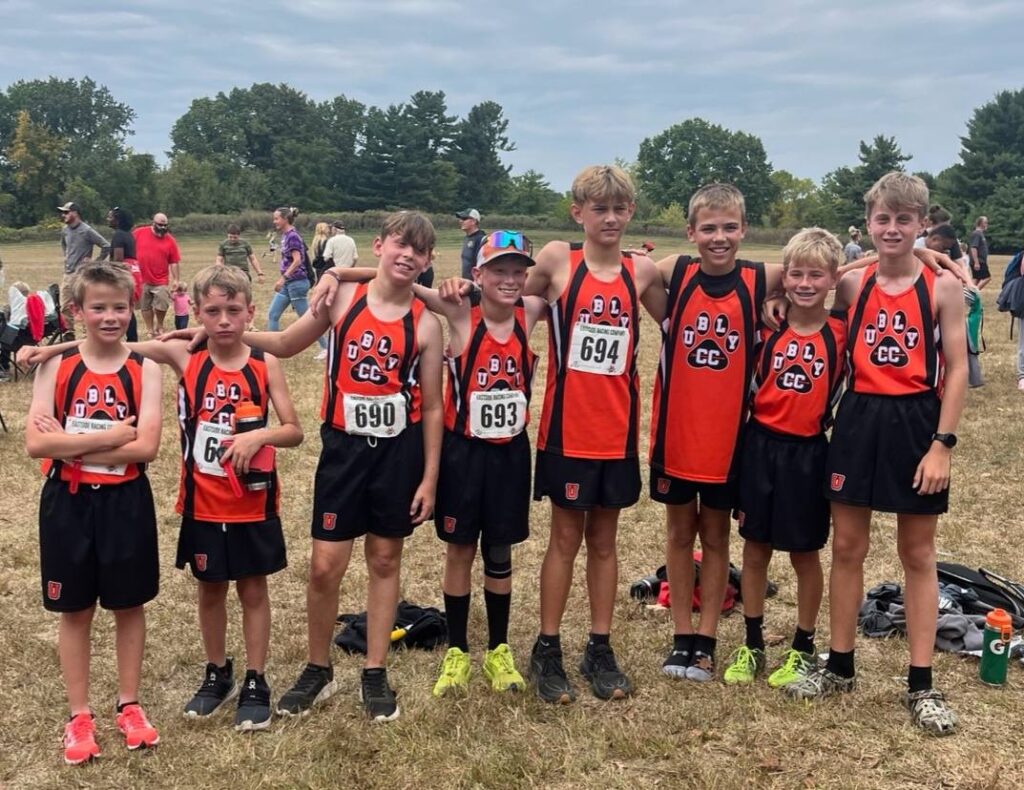
And it certainly doesn’t mean you—or your athletes—need to suffer through sub-par quality, poor communication, or uniforms that don’t reflect your program.
Why This Keeps Coming Up
At Blue Star, we hear this question from coaches across the Midwest:
“Can we still work with you if our school has an all-school deal?”
The answer, in many cases, is yes.
Not because of loopholes or sneaky workarounds, but because many of these agreements are non-exclusive or limited in scope—even when they are described informally as “covering everything.” That gap between what is assumed and what is actually written is where unnecessary frustration lives.
What All-School Deals Usually Are (and Aren’t)
All-school agreements often exist to streamline specific categories of purchasing—commonly stock spirit wear, PE uniforms, or basic apparel items. They can be helpful in the right context.
Programs that self-fund through team budgets, boosters, or fundraising
In many cases, if your team is paying for its own order, your choice of vendor is far more flexible than you have been led to believe. This isn’t about undermining school systems—it’s about understanding them accurately.
The Pricing Myth (Let’s Gently Name It)
Another assumption we hear often is that all-school deals always guarantee the best pricing. Sometimes that’s true for bulk, stock items like cotton tees or generic hoodies.
But pricing is not universal across every product category. What is highly competitive for basic outerwear doesn’t always translate to:
Custom sublimated uniforms
Fabric performance
Fit consistency
Design longevity
Service responsiveness
And when pricing becomes the only metric, other costs creep in quietly: reorders that don’t match, designs that change year to year, delays that cost athletes opportunities.
Value isn’t just what you pay. It’s what you get—and what you don’t have to fix later.
You’re Not “Difficult” for Wanting Better
Here’s the part we care about most.
Coaches are often hesitant to raise concerns because they don’t want to be labeled as difficult, demanding, or non-compliant. But advocating for your athletes is not being difficult—it’s being responsible.
Wanting:
Clear communication
Reliable timelines
Quality that holds up
Gear your athletes are proud to wear
…isn’t a complaint. It’s leadership. And it’s okay to say: “This isn’t working for our program.”
Where Blue Star Fits In
We regularly work with teams whose schools have broader vendor relationships in place. Our stance is simple:
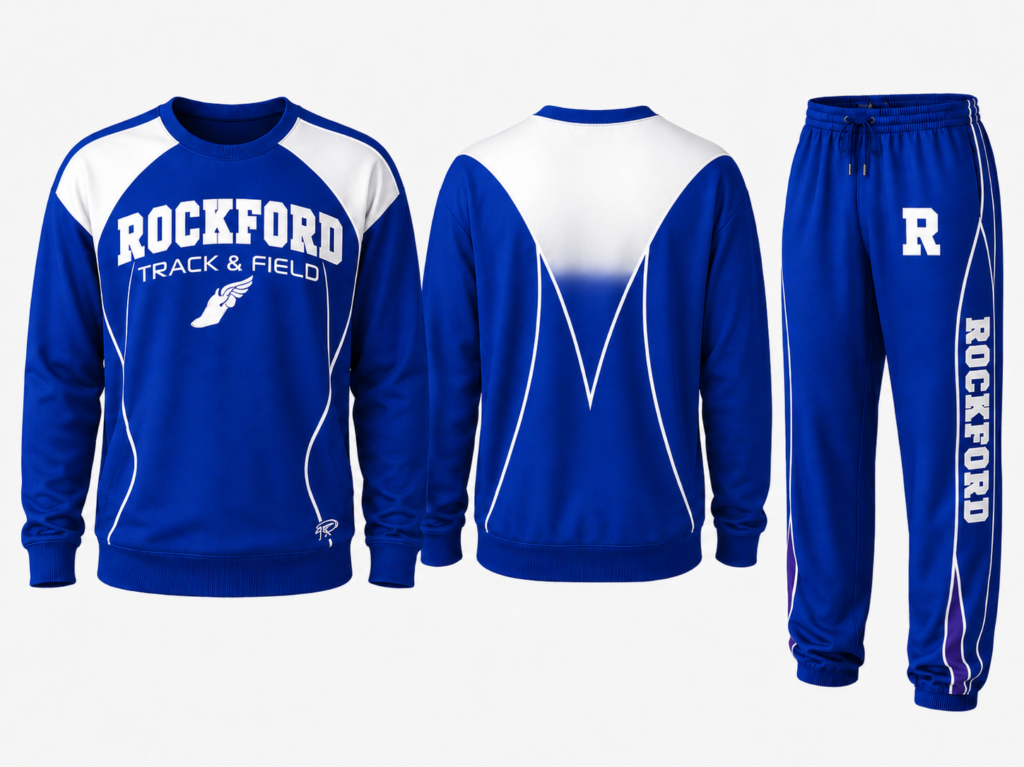
If your program can pay for its own uniforms or warm-ups, it typically does not impact our ability to work together.
No pressure, no risk, and no conflict. Just total clarity. We’re not here to replace every school system or compete where it doesn’t make sense. We are here for the moments when a coach says:
“My athletes deserve better, and I want to understand my options.”
A Coach’s Checklist for All-School Deals
If you’re curious, uncertain, or quietly frustrated, here’s a practical checklist you can use to guide conversations with your AD or district decision-makers. Think of this as preparation—not confrontation.
Step 1: Understand the Agreement
Is the contract exclusive or non-exclusive?
What specific categories does it cover?
Are custom team uniforms explicitly included?
Does it apply if the team pays independently?
Step 2: Evaluate Performance (Not Just Price)
Are orders delivered on time?
Do reorders match previous designs exactly?
Is communication clear, timely, and respectful?
Have athletes or parents raised concerns about quality or fit?
Step 3: Document Gaps
Keep notes on delays, errors, or inconsistencies
Save emails or examples of unresolved issues
Track reorders that required compromises or changes
This isn’t about blame—it’s about facts.
Step 4: Frame the Conversation
Try questions like:
“What flexibility exists for programs with specific uniform needs?”
“How do we evaluate vendor performance beyond price?”
“If a team is self-funded, what options are available?”
“What process exists if a program’s needs aren’t being met?”
These are professional, reasonable questions.
Step 5: Advocate with Purpose
Center the conversation on:
Athlete experience
Program consistency
Long-term sustainability
Not vendors. Not preferences. Not personalities.
Intentional by Design
No coach should feel stuck, and no athlete should have to settle for less than gear that reflects who they are and how hard they train. Understanding your options isn’t rebellious—it’s responsible.
If you ever want to talk through what’s possible for your running program, Blue Star is always here for a no-pressure, clarity-first conversation. Because great programs aren’t built on assumptions; they’re built on intention. And intention—just like coaching—is a craft.
Justine Burdette is a strategic communications leader and the second-generation owner of Blue Star Sports Apparel. With a background in economic development and media—including leadership roles at The Right Place, Inc. and MiBiz—she specializes in building data-informed strategies that drive growth and visibility. Today, Justine combines her business acumen with her history as a competitive athlete to provide streamlined, athlete-focused apparel solutions for track and cross country programs.